
This guide covers all EV models — range extension science, model-by-model breakdowns, and non-Tesla EVs. For detailed Model 3 and Model Y specifics including per-panel shade tables and Sacramento pricing, see our Tesla Model 3 & Model Y tinting guide.
Electric vehicles have transformed how we think about driving—and window tinting is evolving right along with them. For Tesla owners and EV drivers in Sacramento, window tint isn't just about aesthetics or privacy anymore. It's a practical upgrade that can extend your driving range, protect your vehicle's premium interior, and enhance the ownership experience in ways unique to electric vehicles.
At Quality Window Tinting, we've seen a significant increase in Tesla and EV tinting requests over our 20+ years in business. The Sacramento area has one of California's highest EV adoption rates, and local owners quickly discover that our extreme summer heat makes quality window tinting essential rather than optional.
This comprehensive guide covers everything Tesla and EV owners need to know about window tinting: from range extension benefits to model-specific considerations, optimal film choices, and installation best practices.
Why Window Tint Matters More for Electric Vehicles
Electric vehicles have unique characteristics that make window tinting particularly beneficial. Understanding these EV-specific factors helps explain why ceramic tint has become standard among knowledgeable Tesla owners.
Climate Control and Range: The Direct Connection
Unlike internal combustion vehicles that generate waste heat for cabin warming, EVs rely entirely on battery power for climate control. Air conditioning is one of the largest auxiliary drains on EV batteries—the U.S. Department of Energy notes that AC can reduce EV range by 17-33% in extreme conditions.
Here's where window tint creates real value for EV owners:
- Reduced thermal load: Ceramic tint rejects up to roughly 80% of infrared energy and 60-70% of total solar energy, meaning less work for the climate control
- Faster precondition times: Even when preconditioning while plugged in, less heat means faster comfort
- More efficient AC operation: AC maintaining temperature uses less energy than initial cool-down
- Extended range: Lower AC demand directly translates to more miles of range
Quantifying Range Extension Benefits
Real-world testing by EV owners and organizations like the AAA suggests window tint can improve hot-weather range by 3-10%. Here's what this means in practical terms:
| Tesla Model | EPA Range | Hot Weather Loss | Potential Tint Recovery |
|---|---|---|---|
| Model 3 Long Range | 358 miles | -60 to -118 miles | +10 to 35 miles |
| Model Y Long Range | 330 miles | -56 to -109 miles | +10 to 33 miles |
| Model S Long Range | 405 miles | -69 to -134 miles | +12 to 40 miles |
| Model X Long Range | 348 miles | -59 to -115 miles | +10 to 35 miles |
For Sacramento drivers dealing with 100°F+ summer days, this range recovery is significant. Every extra mile means less range anxiety and fewer charging stops.
Tesla-Specific Window Tinting Considerations
Tesla vehicles have unique glass configurations and technology that require special attention during window tinting. Understanding these factors ensures you get the best results.
Tesla's Factory Glass: What You're Starting With
Tesla markets their vehicles as having UV-protective glass, but there are important nuances:
- Windshield: All Teslas have laminated windshields with good UV protection but limited heat rejection
- Roof glass (Model 3/Y): Features Tesla's "UV and infrared protection" but still allows significant heat
- Side windows: Standard automotive glass with minimal UV/heat protection
- Rear window: Standard glass, no special coatings
Tesla's factory glass typically blocks around 60% of total solar energy on the roof, but side windows allow most solar heat through. This is why most Tesla owners prioritize tinting the side and rear glass first.
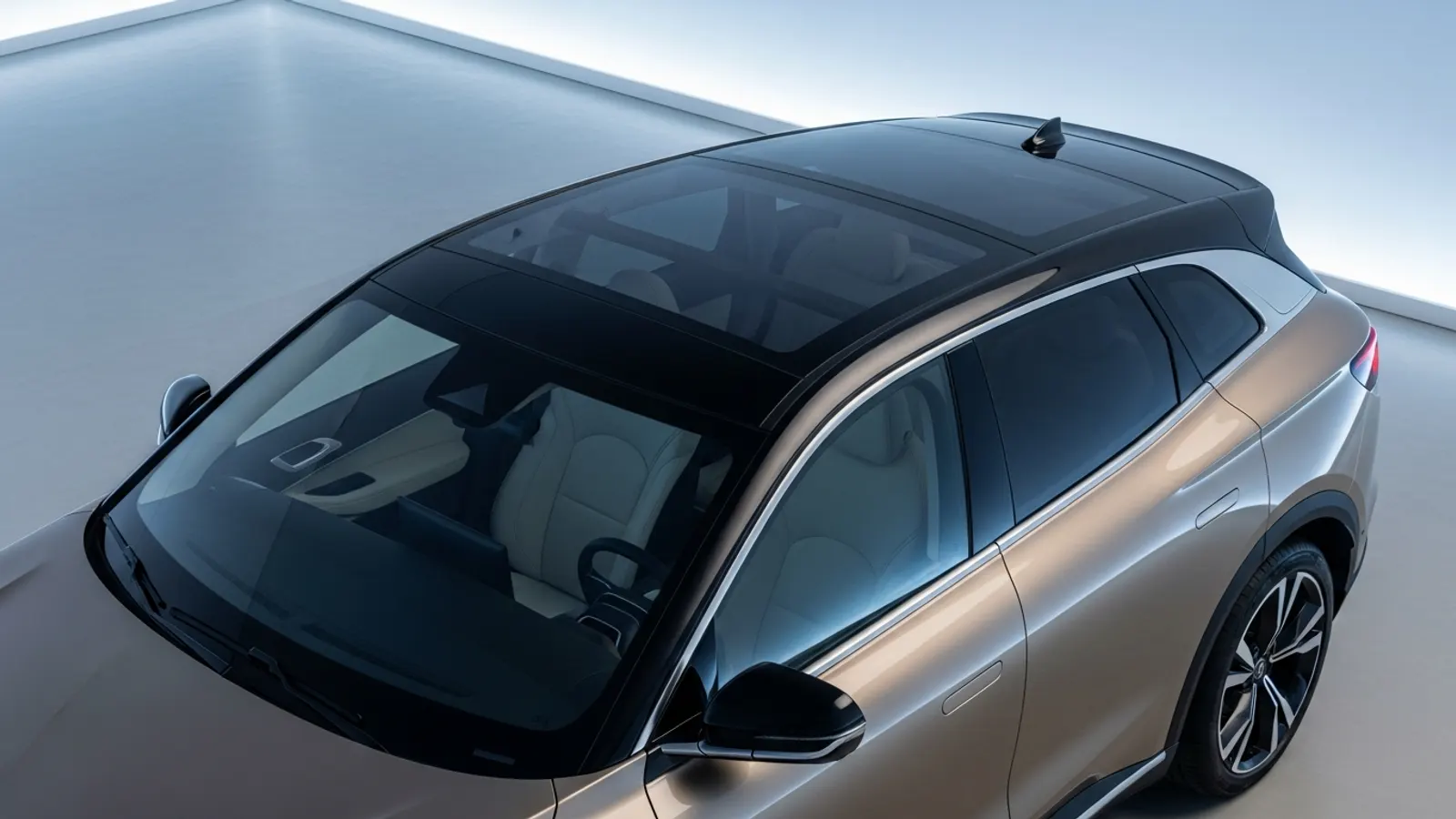
The Model 3 and Model Y Glass Roof
The expansive glass roofs on Model 3 and Model Y are beautiful but create significant solar heat gain. While they have built-in UV and IR filtering, many owners still choose to add ceramic tint for additional heat rejection. Options include:
- Clear ceramic film (70%+ VLT): Maintains the open feel while adding heat rejection
- Light ceramic tint (50% VLT): Slightly darker with more heat blocking
- Moderate tint (35% VLT): Significant heat reduction, still allows light
The choice depends on your priorities—maximum heat rejection vs. maintaining the panoramic glass experience.
Autopilot and Camera Considerations
Tesla vehicles use multiple cameras for Autopilot, Full Self-Driving, and safety features. Professional installers must know to:
- Never tint over cameras: The B-pillar and fender cameras must remain clear
- Avoid the forward camera zone: The area behind the rearview mirror housing
- Use non-metallic film: Metallic tint can interfere with radar and sensors
- Test functionality: Verify all cameras work properly post-installation
This is a critical reason to choose experienced professionals for Tesla tinting. Improper installation can affect safety features.
Expert Tesla Window Tinting in Sacramento
Andrey has extensive experience with Tesla Model 3, Model Y, Model S, and Model X window tinting. We use only ceramic film that won't interfere with your vehicle's electronics.
Schedule Tesla TintingWhy Ceramic Tint Is Essential for Electric Vehicles
While we offer multiple tint options for different budgets, ceramic tint is strongly recommended for Teslas and electric vehicles. Here's why:
Zero Electronic Interference
Metallic window films contain metal particles that can interfere with electronic signals. This is problematic for EVs that rely heavily on:
- GPS navigation and maps
- Cellular connectivity for over-the-air updates
- Bluetooth for phone keys and audio
- Key fob and phone key signal range
- Tire pressure monitoring systems
- Radar-based safety features
Ceramic tint uses nano-ceramic particles that are completely non-metallic and non-conductive. The International Window Film Association (IWFA) confirms that ceramic films allow all radio frequencies to pass through without interference.
Superior Heat Rejection for Maximum Range Benefit
If extending range is a priority—and for most EV owners it is—ceramic tint's superior heat rejection maximizes this benefit:
| Tint Type | Infrared rejection | Signal Safe | EV Recommendation |
|---|---|---|---|
| Dyed Film | 35-50% | Yes | Not recommended |
| Metallic Film | 50-60% | No - Interferes | Avoid |
| Carbon Film | 40-60% | Yes | Acceptable |
| Ceramic Film | 60-80% | Yes | Strongly Recommended |
Premium Film for Premium Vehicles
Teslas and modern EVs represent significant investments, often $40,000-$100,000+. Installing cheap tint that fades, bubbles, or needs replacement defeats the purpose. Premium ceramic films from manufacturers like Avery Dennison, SunTek, and Llumar offer:
- Lifetime warranties (typically transferable)
- Color stability that won't turn purple
- Optical clarity that matches Tesla's premium glass
- Consistent performance over 15+ years
Model-by-Model Tinting Guide
Each Tesla model has unique glass configurations. Here's what to consider for each:
Tesla Model 3 Window Tinting
The Model 3 is Sacramento's most popular Tesla, and its glass roof design makes tinting especially beneficial:
- Glass roof: Large single-piece roof extends from windshield to rear window
- Front windows: Priority for legal ceramic tint (70% VLT in California)
- Rear windows: Can go darker for privacy (20-35% popular choice)
- Rear windshield: Single large piece, consider matching side window darkness
Typical Model 3 full ceramic tint package: $500-$700
Tesla Model Y Window Tinting
The Model Y shares much of its glass design with Model 3 but has additional considerations:
- Larger glass area: SUV profile means more total glass surface
- Rear cargo visibility: Consider privacy tint to hide cargo area contents
- Similar roof configuration: Same panoramic roof as Model 3
- Family vehicle priority: Rear passenger comfort often prioritized
Typical Model Y full ceramic tint package: $550-$750
Tesla Model S Window Tinting
The flagship sedan has evolved through multiple versions with different glass configurations:
- Refresh models (2021+): Feature glass roof similar to Model 3/Y
- Older models: Traditional metal roof or optional panoramic sunroof
- Premium positioning: Owners typically choose highest quality ceramic
- Larger window surfaces: More material required than Model 3
Typical Model S full ceramic tint package: $600-$850
Tesla Model X Window Tinting
The Model X's unique falcon-wing doors create specific tinting requirements:
- Falcon-wing door windows: Require careful installation due to unique movement
- Panoramic windshield: Extends up and over passengers—tinting the upper portion is popular
- Most glass of any Tesla: Largest tinting project, highest material cost
- Third-row considerations: Rear passengers benefit significantly from tint
Typical Model X full ceramic tint package: $700-$1,000
Other Electric Vehicles: Special Considerations
While Tesla dominates the Sacramento EV market, we also tint other popular electric vehicles:
Rivian R1T and R1S
These adventure vehicles have large glass areas and benefit significantly from ceramic tint. The R1T truck bed also has optional tonneau cover glass that can be tinted.
Ford Mustang Mach-E
Available with an optional glass roof that benefits from tinting. Standard windows follow typical SUV configuration.
Chevrolet Bolt EV and EUV
The EUV offers an optional Super Cruise feature using cameras—ensure your installer knows to avoid these areas.
Hyundai Ioniq 5/6 and Kia EV6
These Korean EVs feature unique glass designs and advanced driver assistance. Ceramic tint is recommended to avoid any sensor interference.
Porsche Taycan
Premium positioning demands premium ceramic film. Optional panoramic roof benefits from tinting.
California Window Tint Laws for EVs
Electric vehicles follow the same California window tint laws as any other vehicle:
- Front windshield: Non-reflective material only, bottom edge ≥29" above the undepressed driver's seat (CVC 26708(c)(1))
- Front side windows: Must allow at least 70% VLT
- Rear side windows: Any darkness permitted
- Rear window: Any darkness permitted (requires dual side mirrors)
The good news: ceramic tint at 70% VLT on front windows still provides meaningful heat rejection—something regular tint cannot achieve at that light shade. This makes ceramic particularly valuable for legal California installations.
Learn more about California window tint and vehicle inspection requirements.
EV Window Tinting Cost Breakdown
Here's what to budget for professional ceramic tinting of popular EVs in Sacramento:
| Vehicle | Side Windows | + Rear Window | + Roof Glass |
|---|---|---|---|
| Tesla Model 3 | $350-$450 | $500-$600 | $650-$800 |
| Tesla Model Y | $400-$500 | $550-$650 | $700-$850 |
| Tesla Model S | $400-$500 | $550-$700 | $750-$900 |
| Tesla Model X | $500-$600 | $650-$800 | $900-$1,100 |
| Other EVs (Rivian, Mach-E, etc.) | $400-$550 | $550-$700 | $700-$900 |
For complete pricing information, visit our Sacramento window tinting cost guide.
Caring for Tinted Tesla Windows
Proper aftercare ensures your window tint investment lasts as long as your Tesla. Follow our complete window tint care guide, with these EV-specific tips:
- Don't use Autopilot wipers on tint: Wait for proper curing before using auto features
- Precondition wisely: After tint installation, don't precondition to extreme cold as thermal stress can affect curing
- Use Tesla-safe cleaners: Ammonia-free cleaners that won't damage tint or Tesla's interior materials
- Roll-down depends on your package: about 3 days on a standard install, or immediately with the QT Protection Package or the $75 same-day add-on. Full cure takes 2-4 weeks either way, which is separate and does not restrict you
Frequently Asked Questions
Does window tint help extend Tesla range?
Reducing cabin heat load reduces air-conditioning demand, and on an EV that demand comes directly out of range — there is no waste engine heat to draw on. Ceramic film rejects up to roughly 60-70% of total solar energy (and up to roughly 80% of infrared specifically, which is the larger figure usually quoted). How much range that returns depends on your climate, parking, glass area and how you drive, and we are not going to put a percentage on it: we have not measured it on your vehicle, and the figures circulating for this are not traceable to a study anyone can check.
Can window tint interfere with Tesla autopilot or cameras?
Quality ceramic window tint does not interfere with Tesla Autopilot cameras, sensors, or electronics. Unlike metallic tints, ceramic film is non-metallic and non-conductive. However, never tint over camera sensors or radar emitters. Professional installers know to avoid these areas.
Does Tesla factory glass already have tint?
Tesla vehicles come with UV-filtering glass but limited heat rejection. The Model 3 and Model Y have an all-glass roof with some IR rejection, but the side and rear windows offer minimal heat blocking. Aftermarket ceramic tint significantly improves heat rejection on all glass surfaces.
What is the best window tint percentage for Tesla?
For California-legal Tesla tinting, many owners choose 70% VLT ceramic on front windows (legal limit), 20-35% on side windows, and 15-20% on the rear for privacy. Ceramic film is strongly recommended for Teslas due to its superior heat rejection and electronic compatibility.
How much does it cost to tint a Tesla in Sacramento?
Professional Tesla window tinting in Sacramento typically costs $400-$800 for quality ceramic film, depending on the model and coverage. Full coverage including roof glass ranges $600-$1,200. Given Tesla large glass areas and EV-specific benefits, ceramic tint is the recommended investment.
Schedule Your Tesla Tinting Today
Window tinting your Tesla or electric vehicle is one of the smartest upgrades you can make—extending range, protecting your investment, and dramatically improving comfort during Sacramento's extreme summers.
At Quality Window Tinting, we specialize in Tesla and EV window tinting with ceramic film that won't interfere with your vehicle's advanced electronics. Andrey understands the unique requirements of electric vehicles and ensures proper installation that protects your warranty.
Ready to enhance your Tesla? Schedule your appointment today, or contact us with any questions about your specific vehicle.
Tesla & EV Window Tinting Across Sacramento
Quality Window Tinting provides expert electric vehicle window tinting throughout the greater Sacramento area: